You’re here because you want to be the kind of leader who doesn’t just manage tasks, but truly supports the wellbeing of the people around you.
Let’s be honest — leadership is hard. We grow up believing leaders must have all the answers, always stay strong, never show vulnerability. But that couldn’t be further from what real leadership feels like — especially in today’s workplace, where wellbeing and human connection matter as much as strategy and targets.
If you’ve ever tried to read about leadership and wellness and felt disconnected from what you were reading — you’re not alone. Many resources talk about leadership in abstract terms. But leadership isn’t abstract. It’s lived. It’s human. And it starts with people — including you.
That’s what we’re exploring here: the everyday skills that help you grow as a leader and support workplace wellbeing in a meaningful way.
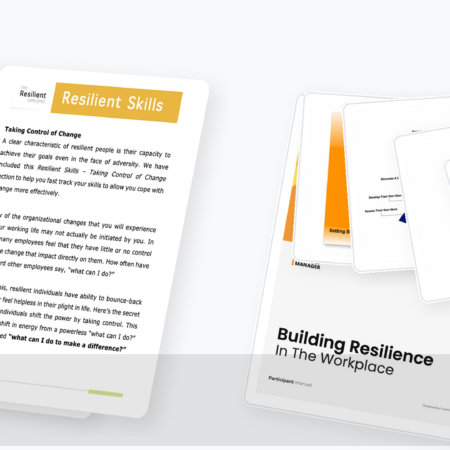
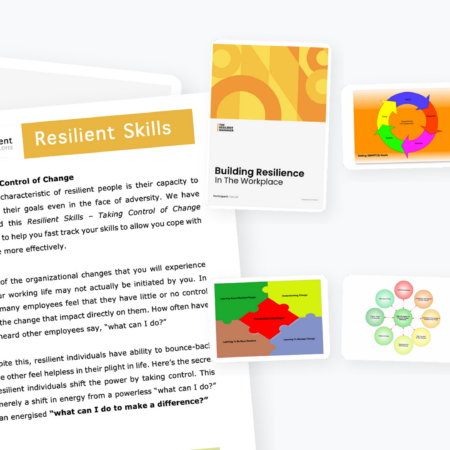
If you’re looking for professional development that improves both your wellbeing and your performance, take a look at this self-study resilience course.
A small investment in building employee resilience today could have a lasting impact on your team’s wellbeing, engagement and performance.
Why Leadership Matters for Wellbeing
Leadership isn’t just about results — it’s about how people feel on the journey toward those results.
The best leaders don’t just manage performance — they build environments where people feel safe, seen, and supported. Research shows that when leaders prioritise wellbeing — in words and in actions — it creates a culture that helps everyone thrive, not just survive. (CCL)
The organisations that succeed long-term are the ones where wellness is embedded into leadership practices, not treated as a sideline. (Ibec)
So what skills make that possible?
The Heart of Leadership in Wellness
Here are the core leadership skills that help you support wellbeing — without sacrificing clarity, direction, or performance:
1. Self-Awareness
Great leaders know themselves — what they feel, what they care about, and how their emotions influence their decisions. This isn’t about “being perfect.” It’s about noticing your patterns, so you can respond with intention rather than react out of habit. Self-awareness is the foundation of emotional intelligence. (CCL)
2. Active Listening
Listening isn’t waiting for your turn to speak. It’s tuning in to what someone really feels, even under what they do not say. Leaders who listen deeply create a sense of safety — and that alone builds trust and wellbeing.
3. Empathy and Compassion
Leadership that supports wellness comes from a place of human understanding. Empathy isn’t soft — it’s strategic. When people feel understood, they’re more likely to bring their best selves to work. Compassionate leadership models care and reduces stress in a team. (Wikipedia)
4. Clarity With Flexibility
People feel well when they know what’s expected and feel trusted to figure out how to meet it. This balance — clear goals with space for autonomy — builds confidence and reduces overwhelm.
5. Modelling Healthy Behaviours
Wellness isn’t a policy — it’s a lived experience. When leaders take breaks, honour boundaries, and show they value balance, it sends a powerful message: wellbeing matters here. (Vhi Healthcare)
6. Encouraging Connection and Belonging
Workplaces aren’t just for work — they’re communities. Leaders who intentionally help people feel connected create environments where people can show up fully, contribute fully, and grow together. (CCL)
7. Encouraging Growth and Purpose
People thrive when they see meaning in what they do. One of the most powerful skills a leader can develop is helping others connect their strengths and values with the goals they’re working toward. (CCL)
8. Resilience and Emotional Regulation
Leaders don’t have to be unshakeable — they have to be resilient. That means acknowledging stress, managing emotions with awareness, and helping others do the same. Resilience allows teams to face challenges together rather than falling apart under pressure. (CCL)
Leadership Is a Practice — Not a Title
Leadership skills aren’t handed to you with a job description. They’re learned, refined, and lived through real conversations, real challenges, and real connection.
When you choose to grow these skills, you’re not just becoming a better leader — you’re helping shape a workplace where people can feel well, capable, and valued every day.
And that’s leadership worth showing up for.
Learn to focus on the traits of resilient people
Be realistic about what you can do and about wellness. And be open about what you cannot do.